

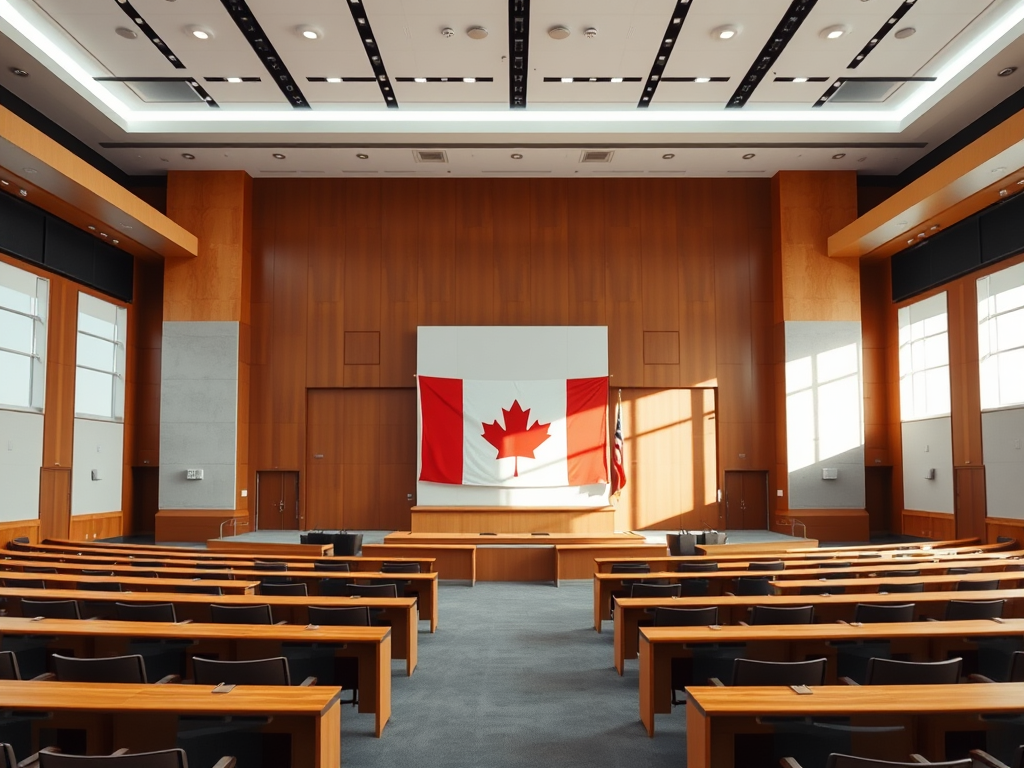
What Is an Admissibility Hearing?
When Canada Border Services Agency (CBSA) believes a foreign national or permanent resident may be inadmissible to Canada, the Immigration Division (ID) of the IRB holds an admissibility hearing to determine if they should be allowed to stay.
Common Reasons for Inadmissibility:
– Criminality (even minor offenses).
– Misrepresentation (e.g., lying on an application).
– Security risks (e.g., alleged ties to organized crime).
– Human rights violations.
Possible Outcomes:
– Allowed to stay (if the ID finds no grounds for removal).
– Removal order (Deportation Order, Exclusion Order, or Departure Order).
– Appeal rights (e.g., to the IAD or Federal Court).
—
How We Can Help
As a licensed immigration consultant, I provide legal representation for admissibility hearings, including:
✅ Case Review – Analyzing CBSA’s allegations and evidence.
✅ Legal Arguments – Challenging inadmissibility grounds (e.g., arguing “misrepresentation” was unintentional).
✅ Humanitarian Relief – Requesting special relief on H&C grounds.
✅ Appeals – Guiding clients through post-hearing options.
—
Pricing Structure
Admissibility hearings are complex; fees depend on case details:
– Initial Consultation (Case Assessment): $200–$400
– Full Hearing Representation: $3,000–$6,000+
– Appeals (if applicable): $2,000–$5,000
Note: Travel fees may apply for hearings outside major cities and additional legal needs.
—
Call to Action
Facing an admissibility hearing? Time is critical—contact us for a strategy session.
📞 Phone: (514) 607-5999
✉ Email: Through the Contact form here
—
Hypothetical Case Example: Overcoming Misrepresentation Allegations
Background:
Ms. Y, a permanent resident, was accused of misrepresentation for failing to declare a prior visa refusal in her PR application. CBSA sought to deport her.
Our Actions:
1. Proved No Intent to Mislead: Showed the refusal was omitted due to a misunderstanding.
2. Highlighted Ties to Canada: Demonstrated her 10-year clean record, Canadian children, and community contributions.
Outcome:
The ID issued a Departure Order (not a Deportation Order), allowing her to apply to return after one year.
Note: “The case example above is hypothetical (based on common detention scenarios). Results vary based on individual circumstances. For official guidelines, refer to the IRB or CBSA.”
—
Official IRB & CBSA Resources
To ensure accuracy and transparency, link to these government sources:
– IRB Admissibility Hearings Guide
– CBSA Inadmissibility Criteria
– IRB Forms for Hearings
—
Frequently Asked Questions (FAQ) – IRB Admissibility Hearings
1. What’s the difference between an admissibility hearing and a detention review?
– A detention review decides if CBSA can hold someone.
– An admissibility hearing decides if someone can stay in Canada.
2. Can I appeal an IRB removal order?
Yes, depending on the order type:
– Deportation Order: Appeal to the IAD (if PR) or Federal Court.
– Exclusion/Departure Order: Judicial Review at Federal Court.
3. What if I’m accused of criminal inadmissibility?
Options may include:
– A record suspension (if eligible).
– Arguing the offense isn’t equivalent to a Canadian crime.
4. How long do hearings take?
Typically 1–2 hearings, but complex cases (e.g., security inadmissibility) can take months.
5. Can I use a surety or bond in admissibility hearings?
No, but you can request discretionary relief (e.g., H&C considerations).
Note: Case results vary; this FAQ provides general information only.
 bakouni-consulting.ca